
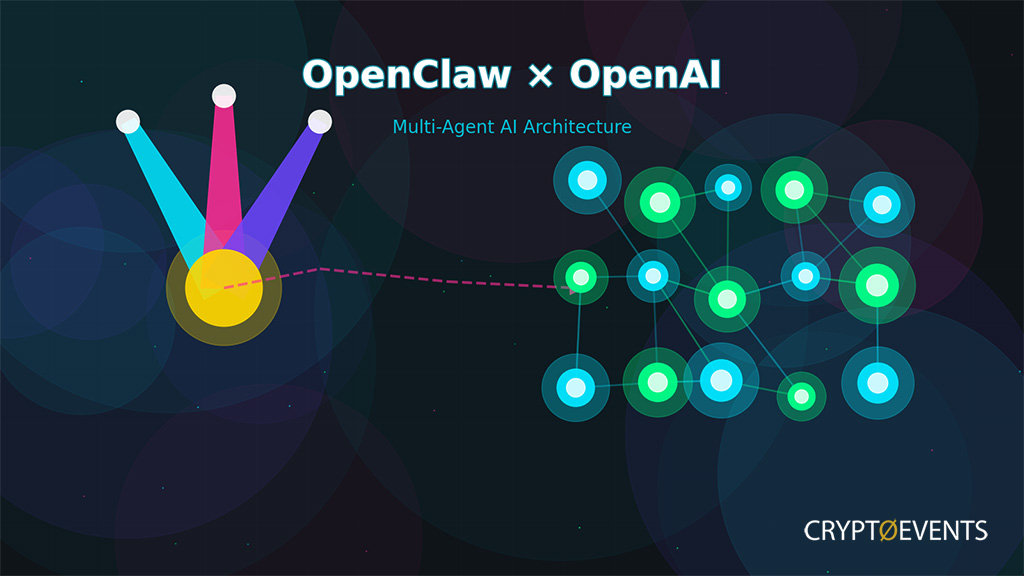
OpenAI just landed a big hire. Peter Steinberger, the Austrian engineer who built the wildly popular open-source AI agent OpenClaw, is joining the San Francisco lab to lead development of personal assistants that can actually do things for you.
CEO Sam Altman confirmed the move on X Sunday, calling Steinberger “a genius” with breakthrough ideas about how advanced agents could work together.
“He has a lot of amazing ideas about the future of very smart agents interacting with each other to do very useful things for people,” Altman wrote. “We expect this will quickly become core to our product offerings.”
Peter Steinberger is joining OpenAI to drive the next generation of personal agents. He is a genius with a lot of amazing ideas about the future of very smart agents interacting with each other to do very useful things for people. We expect this will quickly become core to our…
— Sam Altman (@sama) February 15, 2026
It’s a notable acquisition for OpenAI, which is racing Anthropic and others to build agents that go beyond chatbots—systems that can autonomously handle complex real-world tasks without constant hand-holding.
Steinberger’s not exactly new to tech success. He founded PSPDFKit, a document-processing toolkit that wound up on over a billion devices, before selling the business after 13 years. But his pivot to AI agents started almost casually in late 2025 with a side project he initially called Clawdbot.
Trademark issues forced two rebrands before landing on OpenClaw at the end of January. The tool, which lets users delegate tasks through messaging apps, exploded in popularity during early 2026, racking up 198,000 GitHub stars and pulling in 2 million site visits in a single week.
OpenClaw to Remain Open Source
OpenClaw itself isn’t disappearing. Altman said the project will continue as open source under a foundation that OpenAI will support.
“The future is going to be extremely multi-agent and it’s important to us to support open source as part of that,” he wrote.
According to Steinberger, “it’s always been important” to him that OpenClaw stays open source and given the freedom to flourish.
“Ultimately, I felt OpenAI was the best place to continue pushing on my vision and expand its reach,” he wrote in a blog post.
The timing’s interesting. Personal AI agents are becoming the next major battleground among the big labs, and OpenAI clearly thinks Steinberger’s approach—having multiple agents coordinate on tasks—could give them an edge.
Whether that vision materializes quickly or becomes another “coming soon” promise remains to be seen. But for now, OpenAI’s betting big that the guy who built one viral agent can help them build the next generation.